

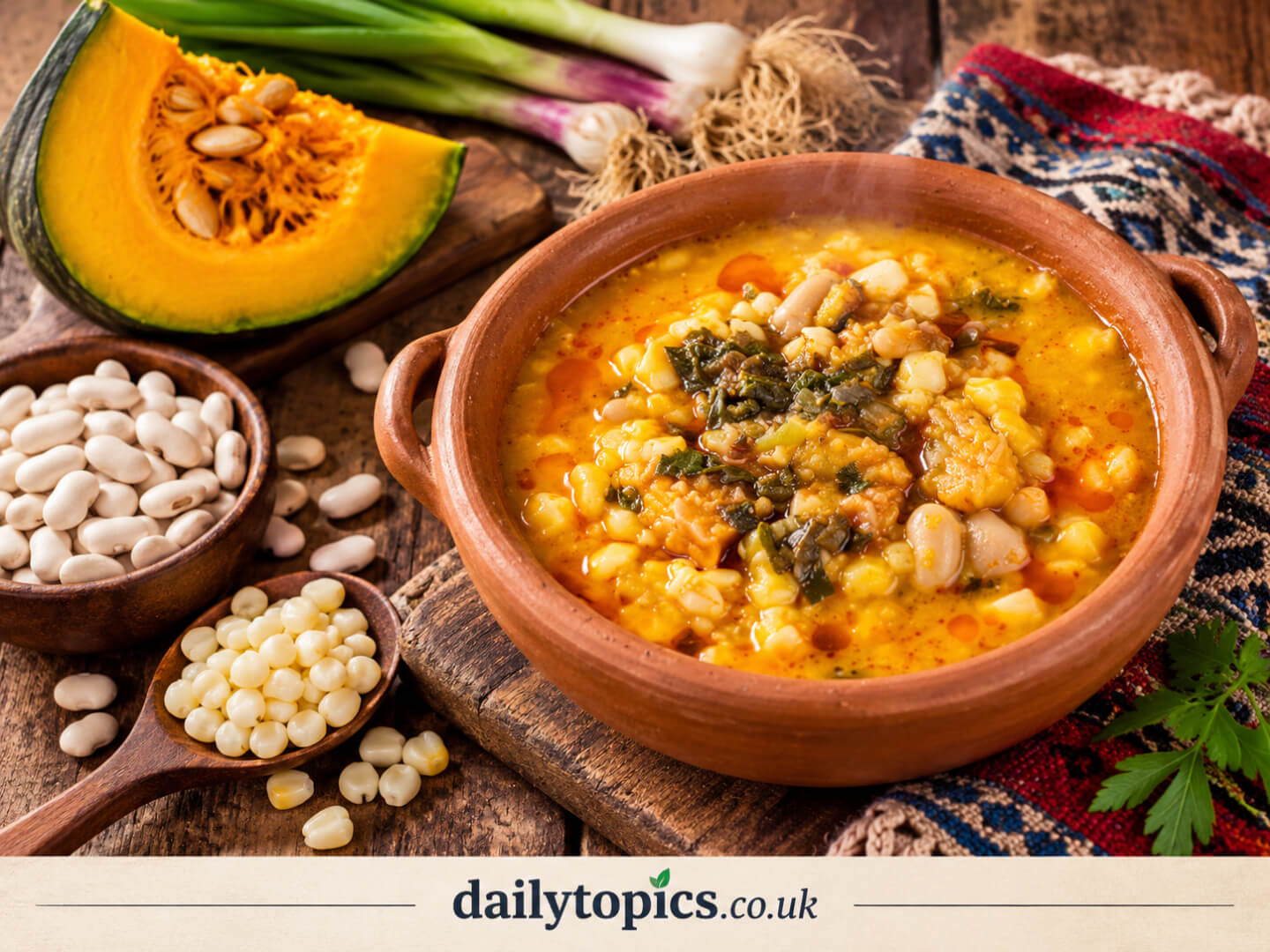
There is something comforting about a warm bowl of traditional stew, especially when it carries generations of history and family memories. In Argentina, few dishes represent this feeling better than locro argentino. Made with corn, beans, pumpkin, and tender meat, this hearty dish has remained an important part of Argentine food culture for centuries.
If you are searching for the best locro argentino near me, you probably want to experience authentic Argentine flavours. Whether you visit a traditional restaurant or prepare it at home, locro offers a delicious introduction to the country’s culinary heritage.
What Is Locro Argentino?
Locro argentino is a traditional Argentine stew prepared with white corn, beans, pumpkin, vegetables, and different types of meat. It has a thick, creamy texture and a rich flavour that develops through slow cooking.
The dish originated in the Andean region of South America, where Indigenous communities relied on corn, beans, and squash as essential foods. Over time, European influences introduced additional ingredients, including beef, pork, and sausages.
Today, locro is especially popular in northern Argentina, although people throughout the country enjoy it during family gatherings and national celebrations.
The History of Locro
Locro has roots in Indigenous Andean cooking traditions. Its name comes from the Quechua word luqru, reflecting its connection to the region’s history.
Originally, people prepared locro using locally available vegetables and grains. As Argentine cuisine developed, cooks introduced different meats and seasonings, creating the familiar versions enjoyed today.
The dish eventually became associated with Argentine national identity. Families traditionally prepare locro on May 25, Argentina’s May Revolution anniversary, and July 9, Independence Day.
These celebrations bring communities together, and sharing a large pot of homemade locro remains an important tradition.
Why Locro Is Special
For many Argentines, locro represents much more than a satisfying meal. It reminds them of family gatherings, traditional celebrations, and recipes passed down through generations.
Preparing locro takes patience. The ingredients are slowly cooked until the corn becomes tender, the pumpkin thickens the broth, and the meat develops a rich flavour.
This cooking process often becomes a shared family activity.
A steaming bowl of locro is particularly enjoyable during cold weather. Its comforting ingredients and homemade character make it a favourite among people who appreciate traditional food.
Best Locro Argentino Near Me: Where to Look
Finding authentic locro can require some research, especially outside Argentina. Although many Argentine restaurants serve traditional dishes, locro is not always available on their regular menus.
Start by searching “best locro argentino near me” on Google Maps. Look for Argentine restaurants, Latin American eateries, and establishments specialising in regional cuisine.
Restaurant websites, customer reviews, and menu photographs can help you identify suitable options.
You can also explore Argentine cultural festivals and local food markets, where traditional dishes are sometimes prepared for special celebrations.
Before visiting, contact the restaurant to confirm availability. Some establishments serve locro only during colder months or Argentine national holidays.
What Makes Authentic Locro?
Authentic locro is recognised by its thick consistency, carefully balanced ingredients, and slow-cooked flavour.
White corn forms the foundation, while beans and pumpkin contribute texture and natural richness. Meat adds savoury depth, although individual recipes vary.
Traditional seasonings often include paprika, cumin, onions, and garlic.
A good bowl should contain tender ingredients surrounded by a creamy broth. It should feel substantial without being overly heavy.
Unlike ordinary vegetable soup, locro develops its distinctive character through the gradual combination of corn, pumpkin, beans, and meat.
Traditional Locro Ingredients
The ingredients used in locro are relatively simple, but each contributes to its flavour.
White corn or hominy provides the dish’s characteristic texture. Beans add substance, while pumpkin naturally thickens the stew.
Beef, pork, and chorizo colorado are commonly included in meat-based recipes. These ingredients contribute richness and a distinctive savoury taste.
Onions, paprika, cumin, and garlic help develop the seasoning.
Different regions and households may use slightly different combinations. Some versions contain more meat, while others focus on vegetables and grains.
This flexibility allows families to preserve their individual cooking traditions.
Different Types of Locro
Locro is prepared in several ways across Argentina. Northern regions often favour recipes closely connected to traditional Andean ingredients.
Some versions contain beef, pork, and sausage, creating a particularly rich stew. Others rely more heavily on corn, beans, and pumpkin.
Vegetarian adaptations are also possible. These replace meat with vegetables, legumes, and flavourful stock.
Although the ingredients may change, the essential idea remains the same: a slowly cooked, satisfying dish designed to be shared.
How to Recognise Good Locro
When choosing a restaurant, pay attention to how the locro is described and presented.
Traditional locro should have a thick consistency, tender corn, soft beans, and well-cooked meat or vegetables.
Its flavour should be rich but balanced, allowing the individual ingredients to complement one another.
Customer reviews mentioning homemade preparation and traditional recipes can provide useful guidance.
Photographs may also help, although appearance alone cannot guarantee quality.
Restaurants that specialise in Argentine regional food are often worth exploring when searching for authentic locro.
The Importance of Slow Cooking
Slow cooking plays an essential role in traditional locro preparation.
As the ingredients simmer, the pumpkin gradually softens and thickens the broth. Meanwhile, the corn and beans become tender, and the meat releases its flavour.
This process creates the stew’s familiar creamy texture.
Traditional recipes may require several hours, especially when using dried corn and beans that need soaking beforehand.
Although quicker methods exist, careful cooking remains important for achieving the comforting flavour associated with homemade locro.
What Is Quiquirimichi?
Locro is often served with a traditional seasoned sauce called quiquirimichi, sometimes known as grasita colorada.
The condiment commonly contains paprika, chilli, spring onions, and oil or fat.
It adds colour, aroma, and extra flavour to the stew.
Locro itself is usually not intensely spicy, so the sauce allows diners to adjust the heat according to their preferences.
Trying a little sauce separately before adding more is a good way to enjoy the dish’s natural flavours.
How Much Does Locro Cost?
The price of locro argentino varies depending on the restaurant, location, ingredients, and serving size.
Casual eateries may offer more affordable portions, while speciality Argentine restaurants may charge more for elaborate preparations.
Meat-heavy versions can also cost more than vegetarian alternatives.
Because prices vary widely between cities and countries, checking current restaurant menus provides the most reliable information.
A higher price does not always guarantee better food. Family-run restaurants sometimes offer excellent traditional dishes at reasonable prices.
When Is Locro Most Popular?
Locro is particularly popular during Argentina’s cooler months and patriotic celebrations.
Two important dates are May 25 and July 9, when many families prepare traditional meals.
Restaurants and community organisations may also serve locro during these celebrations.
Outside Argentina, cultural festivals and Argentine community events can provide opportunities to enjoy the dish.
Checking seasonal restaurant menus may help you find authentic locro when it is not regularly available.
Can You Make Locro at Home?
Preparing locro at home is a wonderful way to experience Argentine cooking traditions.
Begin with white corn, beans, pumpkin, vegetables, and your preferred meat. Dried corn and beans generally require soaking before cooking.
Cook the ingredients gradually in a large pot, allowing the flavours to develop as the stew thickens.
Season with paprika, cumin, garlic, and onions according to your recipe.
Vegetarian versions can use vegetable stock and additional legumes instead of meat.
Although the preparation takes time, homemade locro can become a rewarding meal for family gatherings.
Frequently Asked Questions
What is locro argentino made of?
Traditional locro contains corn, beans, pumpkin, vegetables, and often beef, pork, or sausage.
Is locro argentino spicy?
Locro is generally mildly seasoned, but it can be served with a spicy condiment called quiquirimichi.
Where can I find locro argentino near me?
Look for Argentine restaurants, Latin American eateries, food festivals, and community celebrations. Always confirm availability before visiting.
Is vegetarian locro available?
Yes. Vegetarian versions can be prepared with corn, beans, pumpkin, vegetables, and meat-free stock.
Why is locro popular on Argentine holidays?
Locro has historical connections to Argentina’s Indigenous traditions and became an important dish during patriotic celebrations.
Final Thoughts
Searching for the best locro argentino near me is about discovering a traditional dish filled with history, flavour, and cultural significance.
From its Indigenous Andean origins to its place at modern Argentine family celebrations, locro has remained a symbol of comfort and togetherness.
Whether you enjoy it at an Argentine restaurant, discover it during a cultural festival, or prepare it in your own kitchen, this hearty stew offers a memorable taste of traditional Argentine home cooking.
The best locro is often the one prepared with fresh ingredients, patience, and respect for the traditions that have made it special for generations.
