

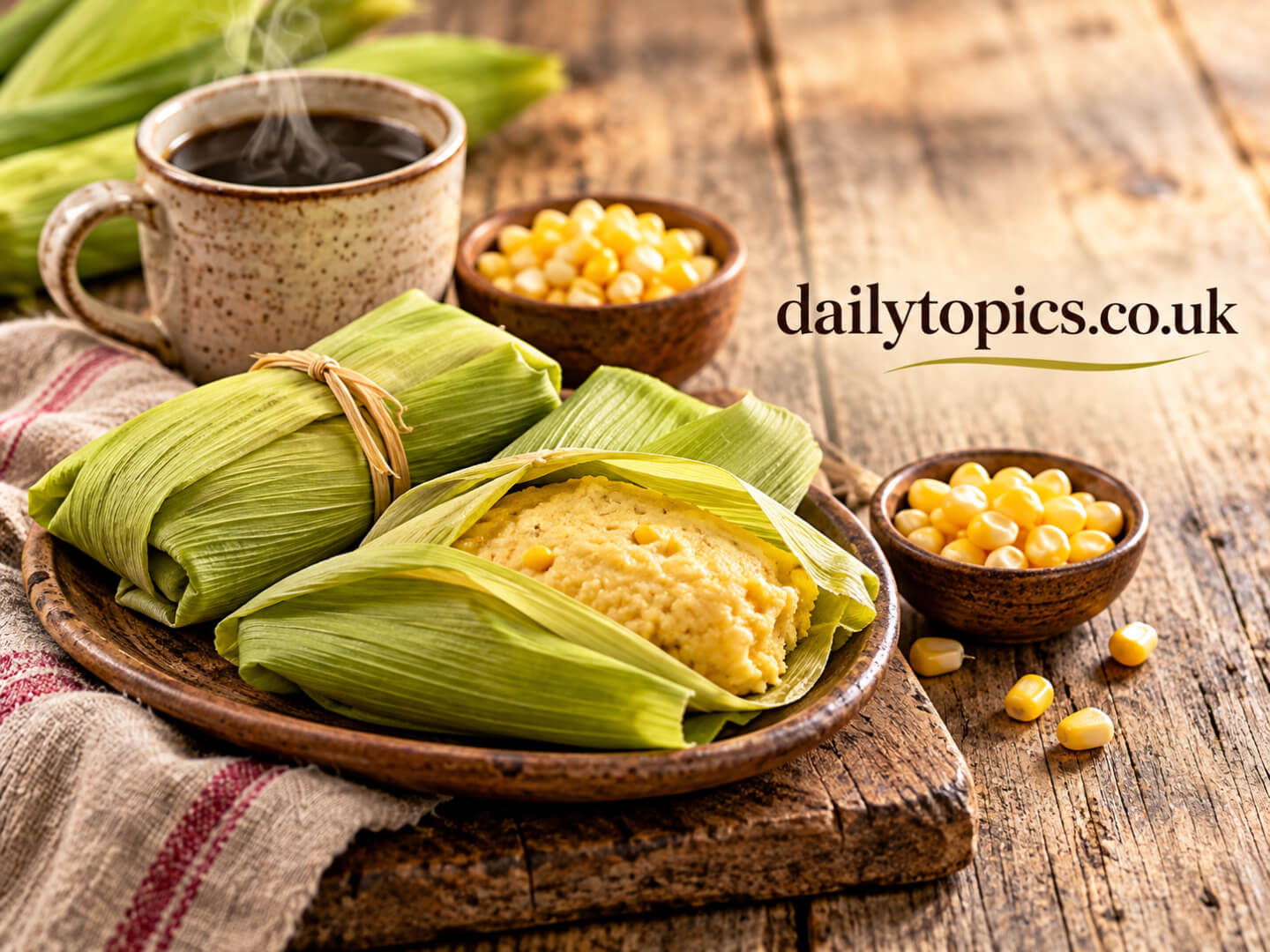
Finding the best humintas near me can feel like discovering a little piece of South America right in your neighborhood. Whether you grew up enjoying these warm corn parcels or recently heard about them from a friend, there is something comforting about their soft texture, fresh ingredients, and traditional flavor.
Humintas are a beloved part of South American cooking, especially in Bolivia, Peru, Ecuador, Chile, and Argentina. Made mainly from fresh corn, they are often wrapped in corn husks and cooked until tender. Some are sweet, others are savory, and many combine the natural sweetness of corn with the richness of cheese.
But finding authentic humintas outside South America is not always easy. They may not appear on ordinary restaurant menus, and some places offer them only on certain days. Knowing where to look, what to order, and how to recognize a traditionally prepared huminta can make your search much more rewarding.
What Are Humintas?
Humintas are traditional Andean corn dishes made from fresh ground or grated corn, often mixed with cheese, butter, seasonings, or sugar. The mixture is commonly wrapped in corn husks before being steamed, boiled, or baked.
Their history reaches back to Indigenous food traditions in the Andes, where corn has been an important agricultural crop for centuries. The name is associated with Quechua, one of the major Indigenous language families of the Andean region.
Unlike many modern snacks, humintas are built around a relatively simple ingredient: corn. Their flavor comes from the natural characteristics of the grain, the ingredients added by the cook, and the method used to prepare them.
In Bolivia, humintas often contain fresh cheese and sometimes anise. In Chile, onion and basil are common additions. Ecuadorian preparations frequently include cheese, eggs, or butter, depending on local customs.
Although recipes differ, the basic idea remains familiar across the region: transform fresh corn into something warm, filling, and enjoyable.
The History Behind Humintas
Humintas have a long history connected to the agricultural traditions of the Andes. Before modern national borders existed, Indigenous communities cultivated corn and developed different ways of preparing and preserving it.
Fresh corn was especially valuable during harvest periods, when families could use tender kernels before they became dry and hard.
Wrapping corn mixtures in leaves offered a practical cooking method using materials available directly from the plant. Over time, different communities developed their own seasonings, textures, and ways of serving the dish.
Traditional humintas have pre-Hispanic roots, connecting them to the importance of corn in regional diets.
Today, humintas remain associated with local cooking traditions, regional identity, and family recipes. For many people, the dish represents more than something to eat. It is also a reminder of home.
Why People Love Humintas
One reason humintas remain popular is their comforting texture. A well-prepared huminta is usually tender and moist, with a noticeable fresh corn flavor.
The taste can be delicate rather than heavily seasoned. That simplicity is part of its appeal.
Cheese adds a pleasant savory contrast, while ingredients such as sugar or anise can bring gentle sweetness and fragrance. Baked varieties may develop a lightly browned exterior, offering a different experience from soft steamed humintas.
There is also something special about opening the corn husk before eating. The wrapping keeps the food together during cooking and forms part of its traditional presentation.
For families with South American roots, humintas may bring back memories of weekend breakfasts, afternoon snacks, or food prepared at home.
For someone trying them for the first time, they offer an approachable introduction to Andean cuisine.
Best Humintas Near Me: Where to Look
Searching for the best humintas near me usually starts with finding restaurants that specialize in Bolivian or other South American cooking.
Bolivian restaurants are particularly worth checking because humintas are strongly associated with the country’s culinary traditions. However, not every restaurant serves them daily.
Google Maps is a practical starting point. Search for “Bolivian humintas,” “humitas near me,” or “Bolivian restaurant near me.” Using both spellings matters because businesses may list the same type of dish under different names.
Restaurant websites and online menus are also useful. Some establishments place humintas under breakfast, appetizers, traditional dishes, or snacks rather than main courses.
Another option is to explore Latin American grocery stores and specialty food shops. Some may sell refrigerated or frozen humintas prepared by local suppliers.
Community recommendations can be especially helpful. Local South American cultural groups, food communities, and neighborhood events may introduce you to smaller businesses that are difficult to find through ordinary searches.
Before traveling, check the latest menu or contact the business directly. Availability can change depending on demand, ingredients, and the day of the week.
How to Recognize Authentic Humintas
Authentic humintas do not follow a single universal recipe. Their ingredients and preparation depend on the country, region, and family making them.
Still, several characteristics can help you recognize a traditionally prepared version.
Fresh corn should be central to the flavor. The finished dish usually has a soft, cohesive texture, sometimes with small pieces of corn remaining in the mixture.
The corn husk is another familiar feature. Many traditional preparations use it to hold the mixture during cooking, although some baked or plated variations are served differently.
Cheese is common in Bolivian and Ecuadorian recipes. Depending on the variety, you may notice a mild, salty taste that balances the sweetness of the corn.
A good huminta should taste pleasant without relying on excessive seasoning. However, sweetness, moisture, and firmness naturally vary between recipes.
Rather than judging authenticity by appearance alone, consider the cooking tradition behind the dish. A family-owned restaurant following a regional recipe may prepare humintas differently from another equally traditional establishment.
Different Types of Humintas
Steamed Humintas
Steamed humintas are among the most familiar varieties. The fresh corn mixture is placed inside corn husks and cooked until it becomes tender and holds its shape. They are generally moist, soft, and served warm.
Baked Humintas
Baked humintas, known in Bolivia as humintas al horno, have a firmer consistency and may develop golden or lightly crisp edges. Their flavor can be richer because of the baking process.
Sweet Humintas
Sweet varieties highlight the natural flavor of corn, sometimes with added sugar, anise, cinnamon, or raisins. These are often enjoyed as snacks or alongside a warm drink.
Savory Humintas
Savory versions may contain cheese, onions, herbs, or mild seasonings. Some recipes combine sweet corn with salty cheese, creating a balanced flavor rather than being entirely sweet or salty.
Each variety offers a different experience. Trying more than one style is a good way to appreciate how versatile this traditional dish can be.
Bolivian Humintas and Their Traditional Flavor
Bolivia is one of the best places to explore the culinary importance of humintas.
In Bolivian cooking, fresh corn known as choclo is a key ingredient. Traditional recipes may include cheese, butter or oil, sugar, salt, and anise.
Two familiar preparations are humintas a la olla, cooked in a pot, and humintas al horno, prepared in an oven.
Traditional Bolivian humintas may contain ingredients such as fresh corn, cheese, anise, sugar, and raisins.
The combination of mild cheese and corn is particularly appealing. Rather than competing, the flavors complement each other.
Humintas can be enjoyed during breakfast or as an afternoon snack, often alongside tea or coffee.
For anyone interested in authentic Bolivian food, they are an excellent dish to explore beyond better-known specialties.
Humintas Across South America
Although closely associated with Bolivia, humintas and humitas are enjoyed across several South American countries. Each region has developed its own approach.
In Peru, humitas are commonly prepared from fresh corn and can be sweet or savory. The mixture is wrapped in corn leaves and cooked by steaming or boiling.
In Ecuador, humitas often feature fresh ground corn mixed with cheese, butter, and sometimes eggs. Traditional preparations may also contain tender corn, onion, salt, and sugar, wrapped in corn husks and steamed.
In Chile, humitas often include fresh corn, sautéed onion, and seasonings. Basil is a particularly familiar ingredient in many recipes. Humitas are an important traditional food prepared with corn paste wrapped in husks.
In Argentina, humita is especially associated with northwestern regional cooking. Some versions are wrapped in corn husks, while others are prepared and served as a creamy corn mixture in a pot.
These differences make humintas an interesting example of how a shared food tradition can develop distinct regional identities.
Humintas vs. Tamales
Humintas and tamales are sometimes confused because both can be wrapped in corn husks and cooked in similar ways.
However, they are not identical.
Humintas are generally made from fresh ground corn, which gives them a characteristic natural sweetness and tender texture.
Many traditional Mexican tamales, by comparison, use dough made from nixtamalized corn, commonly known as masa. Their fillings may include meats, vegetables, cheeses, or sauces.
This distinction affects both flavor and consistency. Fresh corn humintas often have a softer, more naturally sweet taste, while masa-based tamales can have a firmer, dough-like structure.
There is considerable regional variation in both dishes, so no single comparison captures every recipe.
Both represent important food traditions and deserve to be appreciated on their own terms.
What to Expect When Ordering Humintas
If you are ordering humintas for the first time, expect something different from a typical bread roll, pastry, or filled sandwich.
A traditionally wrapped huminta may arrive inside a corn husk, which should be opened before eating. The husk itself is not meant to be eaten.
Inside, you will usually find a warm corn mixture that has set during cooking.
Steamed humintas tend to be soft and moist. Baked versions may feel denser and have a slightly browned surface.
Portion sizes vary. Some restaurants serve individual parcels, while others offer several together as a snack or meal.
It is worth asking whether the humintas are sweet or savory, whether they contain cheese, and whether they are prepared fresh.
These simple questions can help you choose the variety that suits your preferences.
How Much Do Humintas Cost?
The price of humintas depends on location, ingredients, portion size, and where they are purchased.
A traditional food stall in South America may price them differently from a specialty restaurant in the United States or Europe.
Freshly prepared humintas may also cost more than frozen varieties sold in grocery stores, depending on the business and local market.
Because humintas are a specialty food in many places, prices are not standardized. It would be misleading to suggest one average price for every city or country.
For an accurate comparison, look at current restaurant menus or contact local sellers.
When considering value, think about portion size, freshness, ingredients, and preparation. A carefully made huminta using fresh corn and traditional methods may offer a very different experience from a mass-produced alternative.
Finding Homemade Humintas
Homemade humintas have a special place in South American food culture.
Many recipes are passed from one generation to another, with small differences in ingredients and preparation becoming part of a family’s identity.
Family-run restaurants may offer humintas based on recipes familiar to their communities.
Latin American grocery stores are another place to explore. Some stock regional prepared foods or may know local suppliers who specialize in traditional dishes.
Food festivals and cultural celebrations can also introduce visitors to authentic preparations.
When searching online, try phrases such as “homemade Bolivian humintas” or “fresh humitas” alongside your city name.
You can also ask local restaurants whether they offer special weekend menus. Some traditional dishes are prepared only at particular times, especially when fresh ingredients are available.
What to Eat and Drink With Humintas
Humintas can be enjoyed alone, but traditional accompaniments can make the experience even more enjoyable.
In Bolivia, tea and coffee are familiar choices, especially when humintas are served as a morning or afternoon snack.
Sweet humintas pair naturally with a simple hot drink that does not overpower the flavor of the corn.
Savory varieties can be enjoyed with fresh vegetables or a light salad.
Chilean humitas are traditionally served with ensalada chilena, a salad commonly made with tomatoes and onions.
A mild sauce or fresh salsa can also work well with some savory versions, depending on the regional preparation.
There is no need for complicated side dishes. Humintas already offer satisfying flavors through the combination of corn, cheese, and seasonings.
Can You Make Humintas at Home?
If authentic humintas are difficult to find nearby, preparing them at home can be a rewarding alternative.
The basic ingredients are relatively simple: fresh corn, corn husks, and seasonings. Depending on the recipe, you may also need cheese, butter, milk, eggs, sugar, or herbs.
The first step is to remove the corn husks carefully and save the larger pieces for wrapping.
Next, the corn kernels are grated or ground into a thick mixture. The remaining ingredients are added according to the recipe.
The mixture is then placed inside the husks, which are folded securely to hold everything together.
For steamed humintas, the wrapped portions are cooked in a covered steamer until the corn mixture is fully cooked and set.
For baked versions, the preparation is cooked in an oven until firm, sometimes developing golden edges.
One important detail is the type of corn. Traditional Andean choclo can differ significantly from the sweetcorn commonly sold in other countries.
Using very juicy sweetcorn may result in a wetter mixture, so recipes adapted for local ingredients may need adjustments.
Home preparation also gives you the freedom to explore sweet and savory versions while learning about the different traditions behind the dish.
Tips for Finding the Best Humintas Near You
Finding good humintas may require a little more research than searching for common restaurant dishes.
Start by checking both spellings: humintas and humitas. The second spelling is particularly common in several South American countries, so using both can reveal more options.
Recent restaurant reviews are useful, especially those that mention the dish specifically. A restaurant may have excellent overall ratings without regularly serving humintas.
Customer photographs can also help you understand portion sizes, presentation, and whether the dish looks similar to the style you want.
Look for restaurants specializing in traditional South American cooking rather than relying only on general Latin American restaurant categories.
It is also worth checking food delivery platforms, local marketplaces, and specialty grocery listings.
Most importantly, confirm availability before visiting. Humintas may be seasonal, made in limited quantities, or available only on certain days.
A little preparation can save a disappointing trip and help you discover restaurants that genuinely value traditional cooking.
Frequently Asked Questions
What are humintas made of?
Humintas are primarily made from fresh ground or grated corn. Depending on the regional recipe, they may also contain cheese, butter, milk, eggs, sugar, onions, or spices. Many are wrapped in corn husks before cooking.
Where can I find authentic Bolivian humintas near me?
Bolivian restaurants, Latin American bakeries, specialty grocery stores, and cultural food events are good places to begin. Searching online with your city name and checking current menus can help you find available options.
Are humintas the same as tamales?
No. Although they share some cooking techniques, humintas usually use fresh corn, while many Mexican tamales are prepared with masa made from treated dried corn. Their textures, seasonings, and regional traditions also differ.
Are humintas sweet or savory?
They can be either. Sweet humintas may contain sugar, anise, or raisins, while savory versions often include cheese, onion, or herbs. Some recipes combine sweet and salty flavors.
What is the difference between humintas and humitas?
The names are regional variations associated with related Andean corn dishes. “Humintas” is especially familiar in Bolivia, while “humitas” is widely used in Peru, Ecuador, Chile, and Argentina.
Are humintas gluten-free?
Traditional recipes based on fresh corn may be naturally free from gluten-containing ingredients. However, some recipes include flour or other additions, and cross-contact can occur during preparation. Anyone avoiding gluten for medical reasons should verify ingredients and preparation with the seller.
Can I buy frozen humintas?
Some specialty food suppliers and Latin American grocery stores offer frozen humintas or humitas. Availability depends on location. Check the packaging for storage, ingredients, and reheating instructions.
How are humintas traditionally served?
Humintas are commonly served warm, sometimes still wrapped in their corn husks. They can be eaten for breakfast, as a snack, or as part of a larger meal.
Can I make humintas without corn husks?
Yes, certain recipes use alternative cooking containers or prepare the corn mixture without wrapping it. However, corn husks are an important part of many traditional methods and contribute to the familiar presentation.
What makes Bolivian humintas different?
Bolivian humintas frequently feature fresh corn, cheese, and sometimes anise or sugar. Both steamed and baked versions are familiar, with differences in texture and cooking method.
Final Thoughts
Searching for the best humintas near me is about more than finding another place to eat. It is an opportunity to experience a traditional dish that has connected South American communities through generations of cooking.
From the soft, cheese-filled humintas of Bolivia to the basil-scented preparations of Chile and the comforting corn recipes of Ecuador and Peru, every region brings something special to the table.
What makes humintas memorable is their simplicity. Fresh corn, familiar ingredients, and traditional preparation techniques come together to create a dish that feels both satisfying and comforting.
If you are fortunate enough to have a Bolivian restaurant or South American food market nearby, explore its menu and ask about its humintas. If you cannot find them locally, preparing a traditional recipe at home can be just as meaningful.
